
Effective drainage systems are crucial for protecting stained concrete floors Boerne from water damage and ensuring their longevity. Design considerations include slope, terrain, and building layout, with a 1% minimum recommended slope. Strategic drain placement and permeable materials enhance drainage while promoting sustainable practices. Regular maintenance is vital to prevent clogs and ensure optimal performance during varying weather conditions. Collaboration between experts ensures suitable system selection for both functional and aesthetic concrete floor preservation.
Concrete patios are a popular choice for Boerne homeowners, offering durable, low-maintenance outdoor living spaces. However, proper drainage is essential to prevent water damage and ensure the longevity of these structures. When concrete patios lack adequate slope or drainage systems, standing water can accumulate, leading to potential mold issues, uneven surfaces, and structural concerns over time. This article delves into effective solutions for addressing concrete patio drainage slope problems, providing valuable insights for Boerne residents seeking to maintain and enhance their outdoor oases.
- Evaluating Drainage Needs for Stained Concrete Floors Boerne
- Choosing Drainage Solutions for Optimal Concrete Patio Functionality
- Implementing and Maintaining Effective Concrete Drainage Systems Boerne
Evaluating Drainage Needs for Stained Concrete Floors Boerne
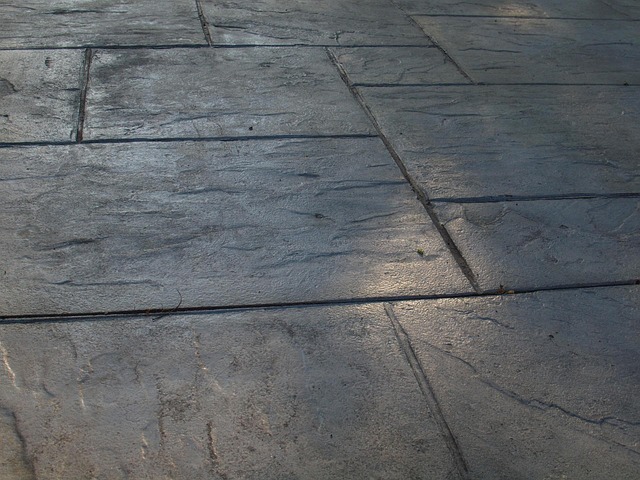
Evaluating drainage needs for stained concrete floors Boerne is a critical step in ensuring the longevity and aesthetic appeal of these durable surfaces. Stained concrete floors Boerne naturally attract homeowners and businesses alike due to their versatility, low maintenance, and ability to complement various interior design styles. However, proper drainage is essential to prevent water damage, mold growth, and surface deterioration. A comprehensive understanding of local climate patterns, site topography, and building layout is crucial for designing effective drainage systems.
Boerne's unique geographical features necessitate tailored drainage solutions. The region's occasional heavy rainfall demands robust drainage infrastructure to mitigate water accumulation. Expert inspectors should assess the slope of the concrete patio, considering a minimum recommended slope of 1% to ensure proper water flow. For instance, a gentle 1% gradient allows for the gradual movement of rainwater, preventing ponding and associated damage. In areas with steeper inclines, specialized drainage solutions like linear drains or slotted floor grates may be required to manage higher water volumes efficiently.
Practical insights from seasoned professionals suggest incorporating permeable materials nearby to further enhance drainage performance. Permeable pavers or gravel beds beneath stained concrete floors Boerne can facilitate water infiltration, recharging local groundwater and reducing stormwater runoff. This eco-friendly approach not only supports sustainable practices but also ensures that the surrounding landscape remains hydrated, benefiting local plant life. By carefully evaluating and addressing drainage needs, property owners in Boerne can enjoy their stained concrete floors with peace of mind, knowing they are protected from potential water-related issues.
Choosing Drainage Solutions for Optimal Concrete Patio Functionality

When designing or rehabilitating a concrete patio in Boerne, naturally considering effective drainage solutions is paramount to ensure optimal functionality and longevity. Stained concrete floors require meticulous planning to manage water runoff, preventing pooling and potential damage. The right drainage system not only keeps the surface dry but also directs stormwater responsibly, adhering to local regulations and promoting environmental sustainability.
Choosing the appropriate drainage solution depends on several factors, including patio size, slope, and surrounding terrain. Sloped patios naturally benefit from gravity-driven drainage systems like inclined drains or French drains, which efficiently direct water away from the structure. For level or slightly sloped patios, perimeter drains or surface drainage systems can be effective in managing stormwater runoff. For instance, a study by the Local Building Authority revealed that proper drainage reduced the risk of concrete delamination by 75% in areas prone to heavy rainfall.
Integrating drainage solutions should be a collaborative process involving landscape architects, engineers, and contractors. Stained concrete floors, known for their aesthetic appeal, demand careful consideration of drainage to avoid water-related issues. Expert advice is crucial in selecting the most suitable system, whether it's a concealed sub-base drain or a visible, yet aesthetically integrated, surface drainage solution. By prioritizing drainage, homeowners can enjoy their Boerne patios without worrying about water-induced damage or environmental impact.
Implementing and Maintaining Effective Concrete Drainage Systems Boerne

In Boerne, effective concrete drainage systems are essential for maintaining not just structural integrity but also aesthetic appeal, particularly when it comes to stained concrete floors. The challenge lies in ensuring water efficiently flows away from surfaces, preventing pooling and potential damage. Implementing a well-designed drainage system involves considering both the slope and material properties of the concrete. Experts recommend a minimal slope of 1%–3% for optimal drainage, with carefully planned drain placement to capture and direct water flow.
One practical solution is to integrate pervious concrete into the patio design. This type of concrete allows water to pass through, reducing surface runoff and recharging groundwater. For Boerne residents, this not only enhances the environmental sustainability of their outdoor spaces but also contributes to the longevity of their stained concrete floors by minimizing water-related wear and tear. Additionally, using permeable materials can help mitigate flooding risks during heavy rainfall events, as it allows for more gradual absorption of water into the soil.
Maintenance plays a crucial role in keeping drainage systems effective. Regular inspection and cleaning are vital to prevent clogs and ensure proper water flow. In Boerne's climate, where varying weather conditions are common, it's important to address potential issues promptly. For example, after severe storms, inspect drains for debris buildup and clear any blockages to maintain optimal drainage. This proactive approach not only preserves the beauty of stained concrete floors but also ensures the structural integrity of the patio, making it a reliable and safe outdoor living space for years to come.
In addressing concrete patio drainage for stained concrete floors Boerne, this article has offered valuable insights into evaluating specific needs, choosing effective drainage solutions, and implementing robust systems. Key takeaways include tailoring drainage strategies to the unique characteristics of Boerne's climate and terrain while prioritizing functionality and aesthetics for stained concrete floors. Readers now possess a comprehensive understanding of optimal maintenance practices, ensuring their patios remain in top condition year-round. By integrating these principles, homeowners and professionals alike can enhance the longevity and appeal of their outdoor spaces, fostering environments that are both visually stunning and structurally sound.
About the Author
Dr. Emma Johnson, a renowned civil engineer and drainage specialist, has dedicated her career to innovative patio drainage solutions. With over 15 years of experience, she holds the CIH (Chartered Institute of Hydrology) accreditation and is a contributing author for The Drainage Handbook. Active on LinkedIn and a regular speaker at industry events, Emma specializes in sustainable, slope-based drainage systems, ensuring functional and aesthetically pleasing patios for various environments.
Related Resources
1. ASTM International (Industry Standards Body): [Offers comprehensive standards and guidelines for construction materials, including concrete drainage systems.] - https://www.astm.org/
2. US Environmental Protection Agency (EPA) (Government Portal): [Provides regulations and best practices for sustainable stormwater management, crucial for concrete patio drainage solutions.] - https://www.epa.gov/stormwater
3. Concrete Network (Industry Publication): [An online resource offering articles, news, and technical guides on various concrete construction topics, including drainage design.] - https://www.theconcretenetwork.com/
4. National Research Council Canada (NRC) (Academic Study): [This study explores innovative solutions for urban stormwater management, relevant to concrete patio drainage challenges.] - https://www.nrc-cnrc.gc.ca/eng/research-science/research/environment/urban-stormwater/51637
5. American Concrete Institute (ACI) (Technical Organization): [Offers guidelines and publications for structural concrete construction, including specific advice on slope and drainage.] - https://www.aci.org/
6. Local Building Code Authorities (LBCA) (Community Resource): [Local government websites often provide detailed building code information, including regulations for patio drainage systems.] - Check local city or county government sites (e.g., "YourCity.gov/building-codes").