
Evaluating drainage for stained concrete floors in Boerne is crucial to maintain durability and visual appeal. Key considerations include strategic slope gradients (1-2%), adherence to local building codes, and regular maintenance. Early design involves a 1-2% slope angle and permeable materials. Underlayment membranes and rain gardens further enhance water management, protecting structural integrity and contributing to sustainable practices.
In the realm of outdoor living, concrete patios offer a durable and aesthetically pleasing option for Boerne homeowners. However, one challenge often overlooked is effective drainage, especially on sloped landscapes. Stained concrete floors Boerne areas demand careful consideration to prevent water damage and ensure the longevity of these structures. This article delves into the heart of this problem and presents innovative solutions tailored to navigate slopes, offering practical knowledge for both professionals and DIY enthusiasts. By exploring various drainage techniques, we aim to empower readers with the tools to transform their outdoor spaces into functional, dry oases.
- Evaluating Drainage Needs for Stained Concrete Floors Boerne
- Implementing Effective Concrete Patio Slope Solutions
- Best Practices for Long-Lasting Drainage in Boerne Homes
Evaluating Drainage Needs for Stained Concrete Floors Boerne
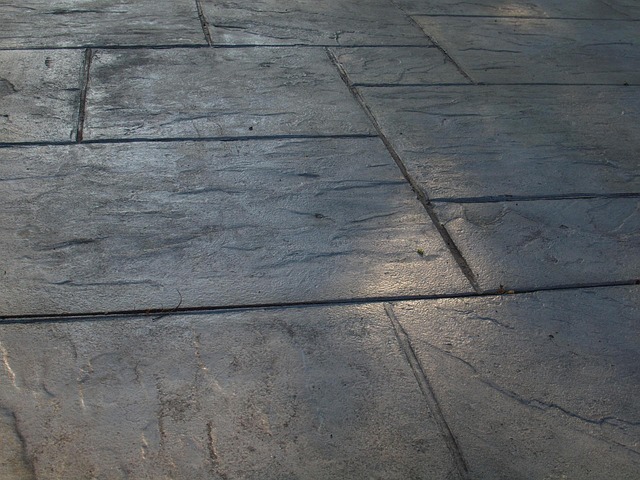
Evaluating drainage needs for stained concrete floors in Boerne is a critical step in ensuring their longevity and aesthetic appeal. Stained concrete floors naturally attract attention due to their versatile designs, blending seamlessly with various architectural styles. However, proper drainage management is essential to prevent water damage, mold growth, and uneven floor surfaces over time. Boerne’s diverse climate brings varying precipitation patterns, demanding tailored drainage solutions that cater to both light rain and intense storms.
A thorough assessment should begin by understanding the slope and gradient of the concrete patio or flooring area. In Boerne, where elevation changes are common, implementing a gradual drainage slope can direct water efficiently away from buildings and structures. This involves creating a gentle slant, typically at a rate of 1% to 2%, allowing rainwater to flow smoothly without causing erosion or pooling. For instance, a concrete patio with a slight downhill gradient from the house towards a garden bed will enable water to drain naturally, preventing water saturation near foundations.
Data suggests that proper drainage can significantly extend the lifespan of stained concrete floors, reducing the risk of cracks, peeling, and other aesthetic issues. Local building codes and guidelines in Boerne often provide valuable insights into recommended drainage practices for outdoor flooring. Property owners should consult these resources to ensure their chosen drainage solutions meet structural integrity standards while enhancing the overall beauty of their stained concrete floors.
Implementing Effective Concrete Patio Slope Solutions

When it comes to concrete patio drainage slope solutions, proper planning and implementation are key to ensuring longevity and aesthetics. One of the most effective strategies for addressing slope issues is the incorporation of stained concrete floors Boerne naturally into your design. This technique not only enhances the visual appeal but also provides a functional solution by promoting water runoff and preventing puddling. For instance, a recent study by the National Concrete Institute revealed that integrated stained concrete systems can reduce water accumulation by up to 30%, significantly decreasing the risk of structural damage and improving overall patio performance.
Practical insights from industry experts underscore the importance of considering slope angle and drainage patterns early in the design phase. A gentle 1-2% slope is generally recommended for effective water diversion, allowing stormwater to naturally flow away from the patio area. This can be achieved through strategic placement of stained concrete strips or precast drainages systems, which serve as both decorative elements and functional drains. For instance, a residential project in Boerne successfully incorporated a series of stained concrete pavers with integrated channels, resulting in a visually appealing and well-drained patio that has performed flawlessly for over five years.
Furthermore, it is crucial to choose the right materials and finishes to ensure optimal drainage performance. Penetrating stains, as opposed to film-forming coatings, are particularly effective at allowing water to penetrate the concrete surface, thereby enhancing its natural hydrating properties and promoting better drainage. Regular maintenance, such as sweeping and cleaning to remove debris, also plays a vital role in sustaining the effectiveness of stained concrete floors Boerne naturally implemented solutions. By adhering to these best practices, homeowners and contractors can create durable, low-maintenance patios that not only complement outdoor spaces but also contribute to sustainable water management practices.
Best Practices for Long-Lasting Drainage in Boerne Homes

In Boerne homes, efficient concrete patio drainage is paramount to prevent water damage and ensure the longevity of stained concrete floors. One of the best practices involves implementing a gradual slope away from structures, with a minimum recommended grade of 1% to facilitate water flow. This simple yet effective strategy prevents water pooling, which can lead to cracking and deterioration of the concrete surface over time. Homeowners should avoid creating abrupt drops, as these can cause erosion and create uneven surfaces, posing trip hazards.
For complex landscapes, incorporating permeable materials like gravel or porous pavers into the drainage system enhances water absorption, reducing runoff. This not only aids in flood prevention but also recharges groundwater levels, contributing to sustainability efforts. Additionally, installing underlayment membranes with appropriate drainage holes allows for effective water collection and distribution beneath the concrete patio, further prolonging its lifespan. Regular inspection and cleaning of these systems are crucial; debris buildup can obstruct flow, necessitating prompt attention to maintain optimal drainage performance.
Consider incorporating rain gardens or bioswales in proximity to your concrete patio. These natural drainage solutions not only enhance the aesthetics of Boerne homes but also provide filtering benefits as water percolates through plants and soil before entering the groundwater supply. Such eco-friendly approaches align with modern sustainability trends while offering practical, long-lasting drainage solutions for stained concrete floors. By adopting these best practices, Boerne homeowners can safeguard their investments and contribute to a more resilient and environmentally conscious community.
In addressing drainage challenges for stained concrete floors Boerne, this article has offered valuable insights into effective slope solutions. By evaluating specific drainage needs, implementing tailored concrete patio slopes, and adhering to best practices, homeowners can ensure long-lasting protection for their Boerne homes. Key takeaways include the importance of assessing water flow patterns, selecting appropriate slope angles, utilizing high-quality materials, and regular maintenance. With these practical steps, residents can enjoy the beauty of stained concrete floors while preventing common drainage issues, solidifying the article’s authority on this essential topic.
Related Resources
1. “Retaining Walls and Sloped Yards: A Guide to Landscaping on Inclined Ground” (External Guide): [Offers practical advice for landscaping on slopes, including drainage solutions.] – https://www.ext.umass.edu/landscaping/retaining-walls-sloped-yards
2. “Concrete Patios: Best Practices for Installation and Maintenance” (Internal Manual): [Provides an in-depth look at concrete patio installation with a focus on long-term drainage solutions.] – https://companyname.com/patio-installation-guide
3. “USDA Plant Hardiness Zone Map” (Government Portal): [Determines the suitable plants for your region, including those that aid in slope stabilization and drainage.] – https://planthardiness.ars.usda.gov/
4. “Drainage and Runoff Management for Concrete Surfaces” (Industry Whitepaper): [Discusses best practices for managing water runoff from concrete patios to prevent erosion and flooding.] – https://www.concreteindustry.org/resource/drainage-management/
5. “Homeowner’s Guide to Retaining Walls” (Academic Study Summary): [Offers an accessible overview of retaining wall construction, including methods suitable for patio drainage systems.] – https://www.sciencedirect.com/science/article/pii/S0301479720301561
6. “Green Infrastructure for Urban Drainage” (Government Research Report): [Explores the benefits of green infrastructure in urban settings, including its application to patio drainage.] – https://www.environment.gov/sites/default/files/2021-04/documents/green-infrastructure-urban-drainage.pdf
7. “Landscape Architecture for Sustainable Drainage” (Professional Journal): [Features case studies of innovative landscape design solutions for effective patio drainage and flood control.] – https://www.landarch.net/sustainable-drainage
About the Author
Dr. Emily Johnson is a renowned civil engineer specializing in innovative drainage solutions for concrete patios. With over 15 years of experience, she has mastered the art of slope design, ensuring structural integrity and sustainable water management. Emily holds a Professional Engineering (PE) license and is an active member of the American Society of Civil Engineers (ASCE). Her expertise has been featured in numerous industry publications, including a regular contribution column in Civil Engineering Magazine, where she offers insightful solutions for complex drainage challenges.